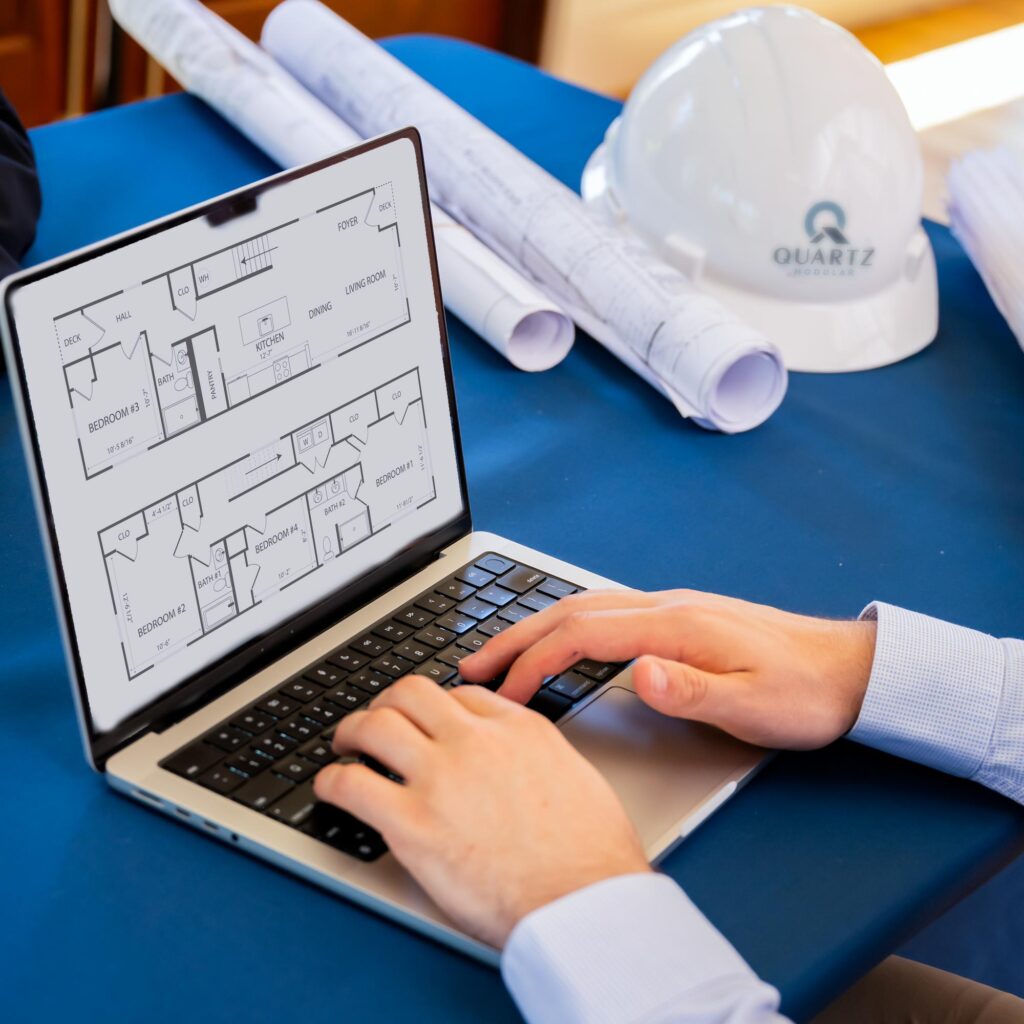
The best time to solve field problems is before the modules arrive.
Quartz Modular can become involved before set day—and often before a manufacturer is selected—to help project teams align the modular product, site, logistics, and field construction strategy while those decisions can still be changed on paper.
Modular projects often encounter problems at the interfaces: factory scope versus field scope, foundation tolerances, delivery access, crane positioning, sequencing, or work that was assumed to belong to someone else.
Modular can reduce complexity in parts of construction, but it also front-loads coordination. By the time modules enter production, decisions that would sometimes remain flexible later into a site-built project may already need to be resolved.
Quartz can get involved early to help teams identify those issues before they become field problems.
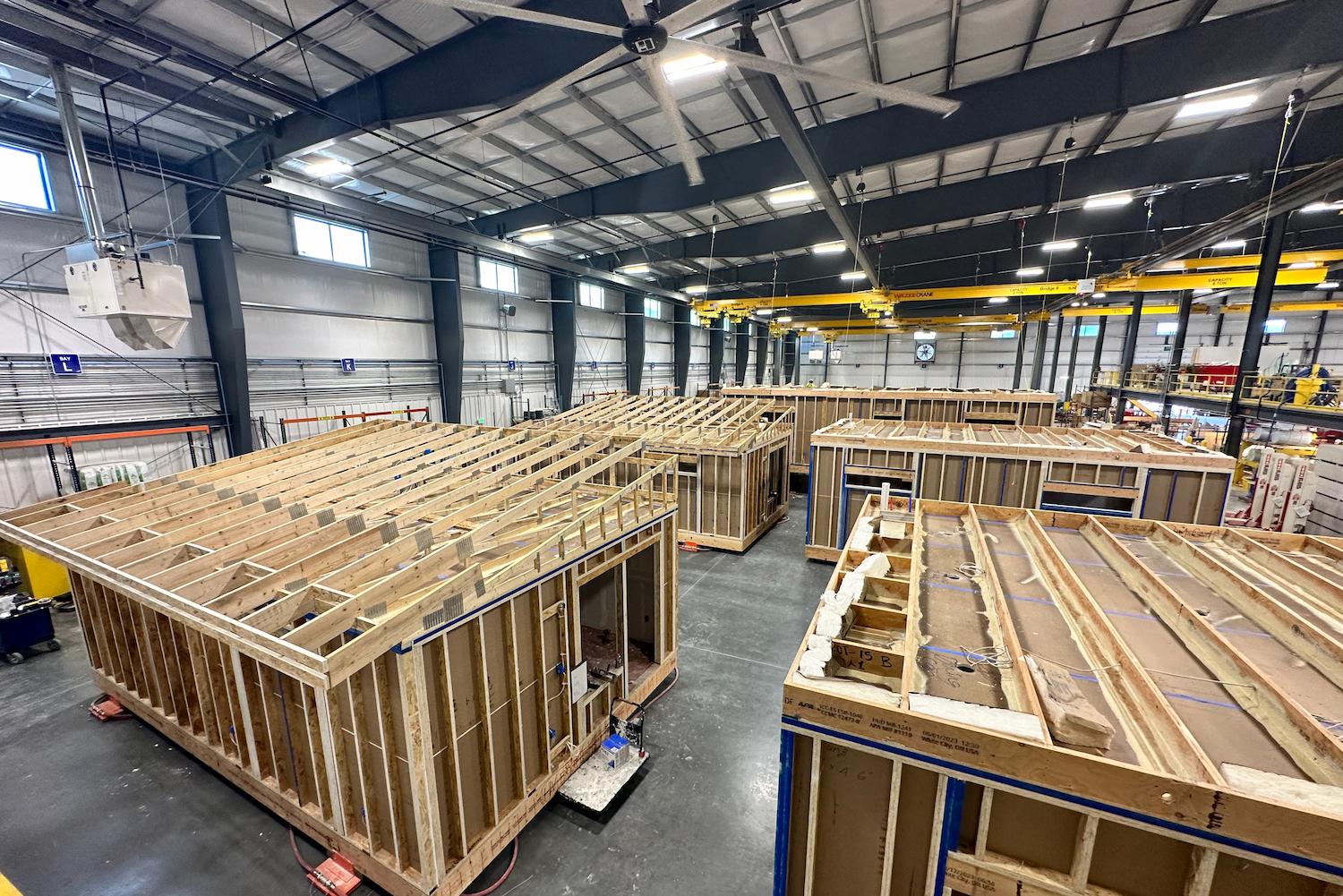
Depending on the project, early planning support can include:
The objective is to determine how the delivery method will actually work on the project—not simply whether a modular floor plan fits the site.
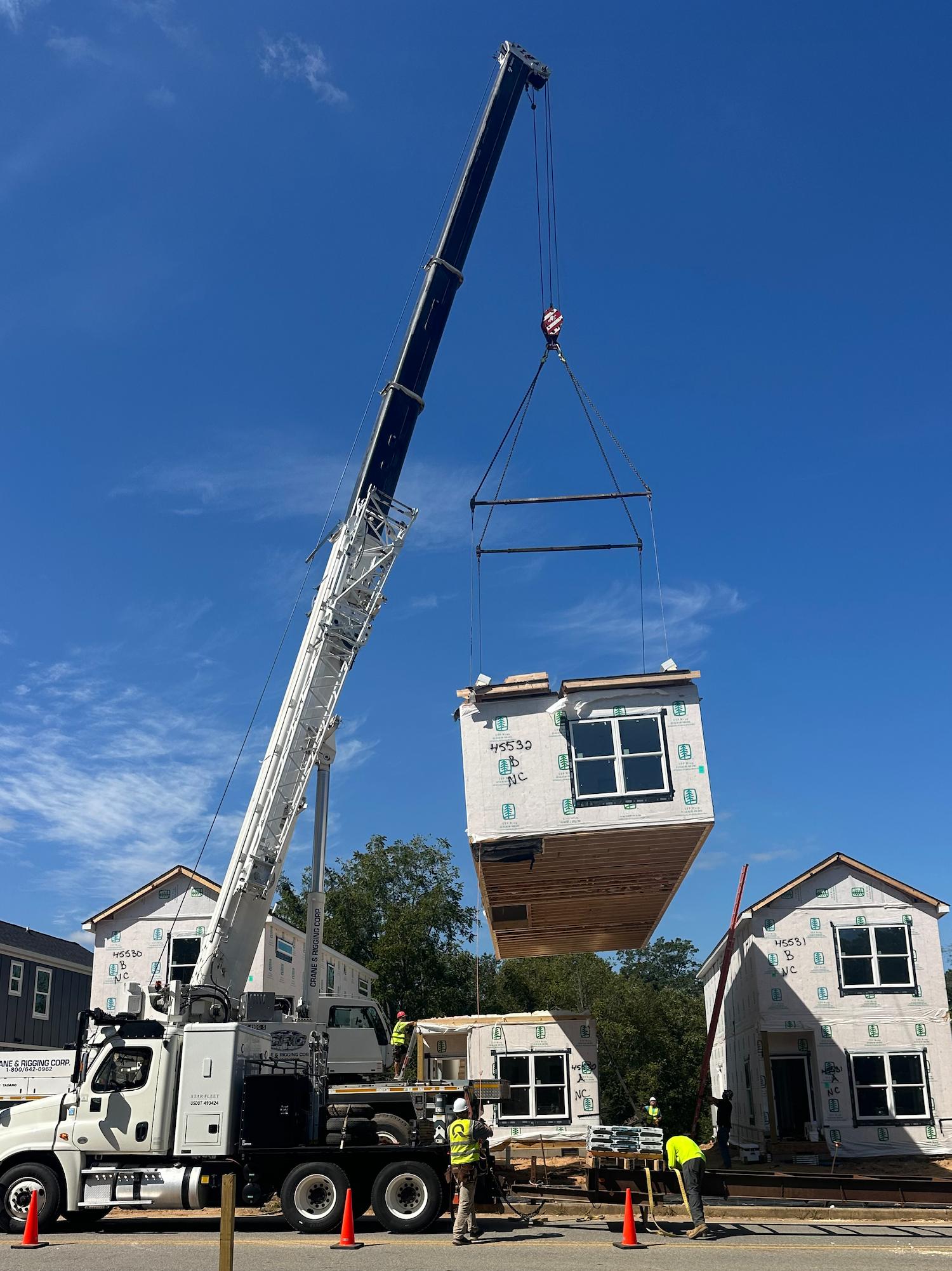
The factory has its own design parameters, production capabilities, schedule, scope, and commercial requirements.
A design that can be built conventionally is not automatically a design that takes advantage of factory production. Module dimensions, structural systems, roof geometry, finishes, transportation, and field assembly all influence the product.
The modules being manufactured and the foundations being built ultimately have to meet accurately in the field.
Module dimensions, transportation routes, site access, staging, and crane positioning need to be considered before the site plan and construction sequence make them difficult to accommodate.
The division between what is completed in the factory and what remains for the General Contractor and field trades needs to be understood before construction begins.
A completed building sitting at the factory while the site is not ready does not create a schedule advantage. Neither does a completed foundation waiting indefinitely for production. The two schedules need to be managed together.
No. Quartz can review an early-stage project before a manufacturer is selected or join a project where the factory relationship and product are already established.
Earlier is generally better. Foundation conditions, site access, crane placement, transportation, staging, factory scope, and field responsibilities can all affect the set. Early coordination gives the team an opportunity to resolve those issues before modules arrive on site.
Useful information includes the project location, modular manufacturer, building plans or factory drawings, number and configuration of modules, foundation information, anticipated delivery/set date, and the scope you want Quartz to perform.
You may already have a factory, General Contractor, and construction drawings—or modular may still be one of the delivery options you are evaluating. Either way, give us enough information to understand the project and we can determine whether Quartz is a fit and what role makes sense.